
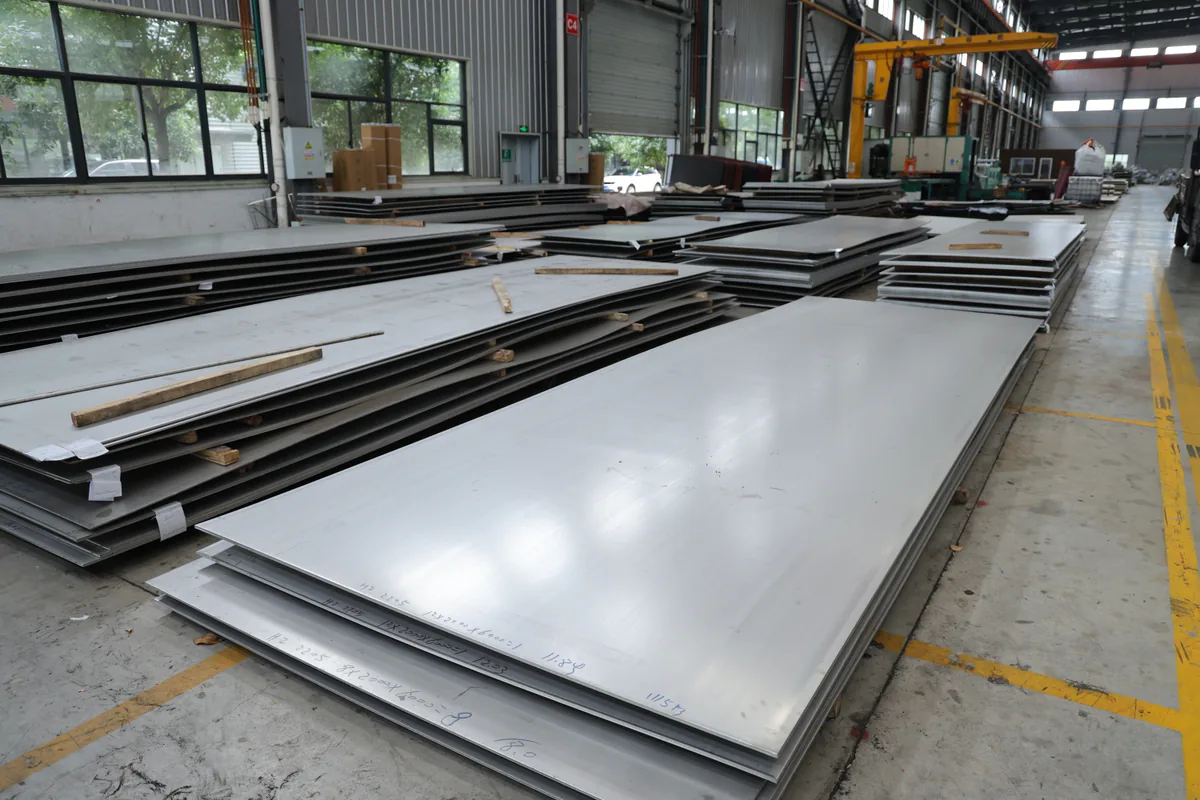
Hechuang’s usual minimum order quantity (MOQ) is 1 metric ton. Multiple sizes may be combined toward this minimum when they are quoted together. Available-stock orders normally require 3–7 calendar days from receipt of the deposit until the material is prepared and ready for dispatch from our facility. Mill-order production normally requires 30–60 calendar days from receipt of the deposit until production is complete and the material is ready for dispatch. These are planning ranges, not fixed promises for every order, and international transit is separate.
Quick Facts for Buyers
- Usual MOQ
- 1 metric ton across sizes quoted together
- Available stock
- Normally 3–7 calendar days
- Mill-order production
- Normally 30–60 calendar days
- Supply options
- Stock, stock with processing, incoming material or new production

Indicative MOQ and Lead Times at Hechuang
| Supply option | What it means | Usual MOQ and timing | What commonly changes the offer |
|---|---|---|---|
| Available stock | The grade, form, dimensions, condition, quantity and documents match material that can be allocated now | Usual MOQ is 1 metric ton; preparation normally takes 3–7 calendar days from deposit to dispatch readiness | Allocation, document checks, inspection, packing and shipment splits |
| Available stock with processing | Suitable parent plate, coil, pipe or bar is in stock but needs further work | Multiple sizes may be combined toward the usual MOQ; timing is based on the actual processing scope | Cutting layout, slit widths, tolerances, drawings, surface protection and inspection |
| Incoming mill material | A standard item has already been ordered from the mill and is scheduled for production, in production or awaiting arrival | MOQ and timing follow the confirmed incoming material and any finishing work | Remaining production time, arrival date, allocation, processing and final checks |
| Mill-order production | A new production order is needed for the required size, standard, condition, quantity or document package | Production normally takes 30–60 calendar days from deposit to dispatch readiness; the quotation states the applicable MOQ | Mill schedule, heat or lot plan, tests, documents, processing and packing |
The right supply option is an order decision, not a catalogue label. Custom processing can be added to stock, incoming material or new production. The quotation should identify the material source and show any work that remains before dispatch.
How the MOQ Works When Several Sizes Are Quoted
The MOQ applies to the quoted supply item rather than automatically to each individual size. When several sizes are quoted together, their quantities may be combined toward the usual 1 metric ton minimum. For example, three sizes at approximately 400 kg each can reach a combined order quantity of 1.2 metric tons.
That does not make every combination practical. A small quantity in a special thickness, an inefficient cutting layout or a mill production minimum can still change the offer. Special orders below 1 metric ton are negotiable. The quotation confirms the minimum that applies to the actual material and supply arrangement.
Available Stock: What the 3–7 Days Cover
Stock availability is more specific than a grade name in a catalogue. A usable match needs the right product form, dimensions, condition, surface, quantity and document package. If one of these differs, the order may move to stock with processing, incoming material or new production.
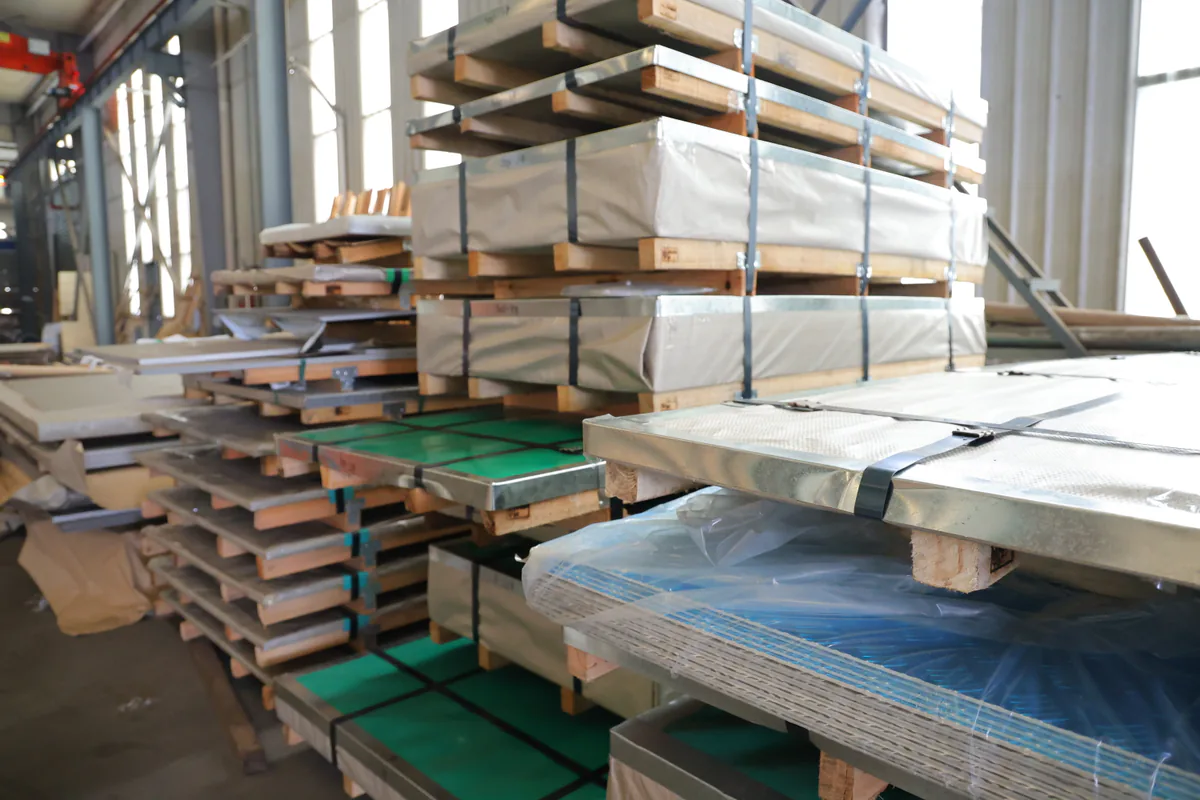
For an available-stock order, the normal 3–7 calendar days begin when Hechuang receives the deposit. The period ends when the material has been prepared and is ready for dispatch from our facility. It can include allocation, material and document checks, appropriate dimensional or surface inspection, marking, packing and normal dispatch preparation.
Cutting, re-marking, extra testing, third-party inspection or project-specific packing can extend the quoted time. International transport and arrival at the buyer’s site are not included in the 3–7 days.
Inspection and document requirements should be stated before the order is placed. An existing certificate cannot simply be converted into a different inspection-document type after the material has been produced, and some late test requests may require a different material source.
Stock with Processing: Check the Purchased Quantity
Processing changes both timing and practical quantity. The parent material must suit the finished dimensions, drawing and inspection method. Cutting layouts, slit widths, trim, setup and remnants can increase the input material needed for the requested finished quantity.
For cut-to-size 310S plate, check whether the quoted quantity covers the finished blanks or the full parent plate. If the cutting layout leaves substantial offcuts, the purchased weight may be higher than the finished-part weight even when suitable plate is available from stock.
The same distinction applies to coil slitting and other yield-dependent work. The quotation should state whether quantity is based on input mass, finished mass or finished pieces wherever the difference affects price or MOQ.
Incoming Material and Mill-Order Production
Incoming mill material is not the same as stock. It refers to a standard item that has already been ordered from the mill and is scheduled for production, in production or awaiting arrival. The quotation should state the expected availability and any processing or final checks still required.
Mill-order production is used when a new production order is needed. This may apply to a non-stock dimension, a specified product standard or delivery condition, a larger planned quantity, a controlled heat or lot plan, special testing, or documents that must be arranged during manufacture.
The normal 30–60 calendar day production period starts when the deposit is received and ends when production is complete and the material is ready for dispatch from our facility. Drawing review, special testing, witness inspection or unusual packing can change the schedule stated in the quotation.
New production can be more dependable than forcing a near-match from stock. If available material gives poor yield, cannot carry the required documents or needs extensive rework, producing the correct item may give the buyer a clearer technical and commercial result.
Five Details That Most Often Change the Schedule
- Grade, product form and dimensions. Plate, coil, pipe, bar, forgings and custom parts use different supply and processing methods. Flat products need thickness, width and length or coil data; tubular products need outside diameter, wall thickness and length.
- Quantity and shipment plan. Total tonnage, size splits, heat or lot restrictions and partial shipments can change allocation and final dispatch checks.
- Processing and finished tolerances. Cutting, slitting, bending, rolling, machining and surface work add operations. Drawing-based work also needs clear datums, tolerances and an agreed measurement method.
- Inspection and documents. The document type, traceability, dimensional report, PMI, NDT or third-party activity can determine which material is suitable. Late additions may change both cost and timing.
- Packing and destination. Package-weight limits, lifting access, moisture protection, marks, container planning and destination rules can add work before dispatch. Transit remains separate.
Start with Six Enquiry Details
A first supply enquiry does not need a complete purchasing specification. Send:
- grade, or a request for material-selection support;
- product form;
- complete nominal dimensions;
- approximate quantity;
- destination country or delivery point; and
- required dispatch date or required-on-site date, clearly labelled.
If the standard, condition or document type is still open, say so. Hechuang can use these details to check the likely supply option, applicable MOQ and expected preparation or production time, then identify what else is needed for a formal quotation.
For the complete order definition, use the Heat-Resistant Stainless RFQ Checklist. It covers standards, condition, tolerances, processing, inspection, documents, packing and delivery without duplicating the full checklist here.
How to Read the Quotation
A useful quotation should make five points easy to find:
- Material source: available stock, stock with processing, incoming material or mill-order production.
- Quantity basis: input mass, finished mass or piece count, including any processing allowance.
- Time basis: the start and end points for preparation or production, with international transit shown separately.
- Included work: processing, inspection, documents, marking and packing.
- Open items: alternatives, exclusions and buyer decisions that may change the offer.
Compare suppliers against the same product and delivery definition. A preparation estimate is not equivalent to a delivered-to-site schedule that includes processing and ocean freight, nor is a stock offer equivalent to production with different dimensions, tests or documents.
Frequently asked questions
Does the MOQ apply separately to every size?
Not automatically. Multiple sizes may be combined toward Hechuang’s usual 1 metric ton MOQ when they are quoted together. The quotation confirms whether the proposed combination is practical and states the applicable minimum.
Can I enquire about an order below 1 metric ton?
Yes. Special orders below the usual MOQ are negotiable. Feasibility depends on the grade, form, dimensions, available material, processing and production plan.
When does the quoted lead time start and end?
For available stock, the normal 3–7 calendar days run from receipt of the deposit until the material is prepared and ready for dispatch from our facility. For mill-order production, the normal 30–60 calendar days run from receipt of the deposit until production is complete and the material is ready for dispatch. Processing, special inspection and international transit are quoted separately where applicable.
Can stock be cut or slit before shipment?
Yes, when suitable parent material and processing capacity are available. Finished dimensions, tolerances, cutting or slitting yield, inspection, marking and packing can change the purchased quantity and preparation time.
When is mill-order production preferable to stock?
Mill-order production is usually preferable when stock cannot meet the required standard, form, dimensions, condition, quantity, heat or lot plan, testing or document package. The quotation identifies how the material will be produced and the schedule for the actual order.
Build Your Enquiry
Open the relevant grade and product pages, then send the exact designation, standard, form, dimensions, quantity, processing and inspection scope to the sales team.