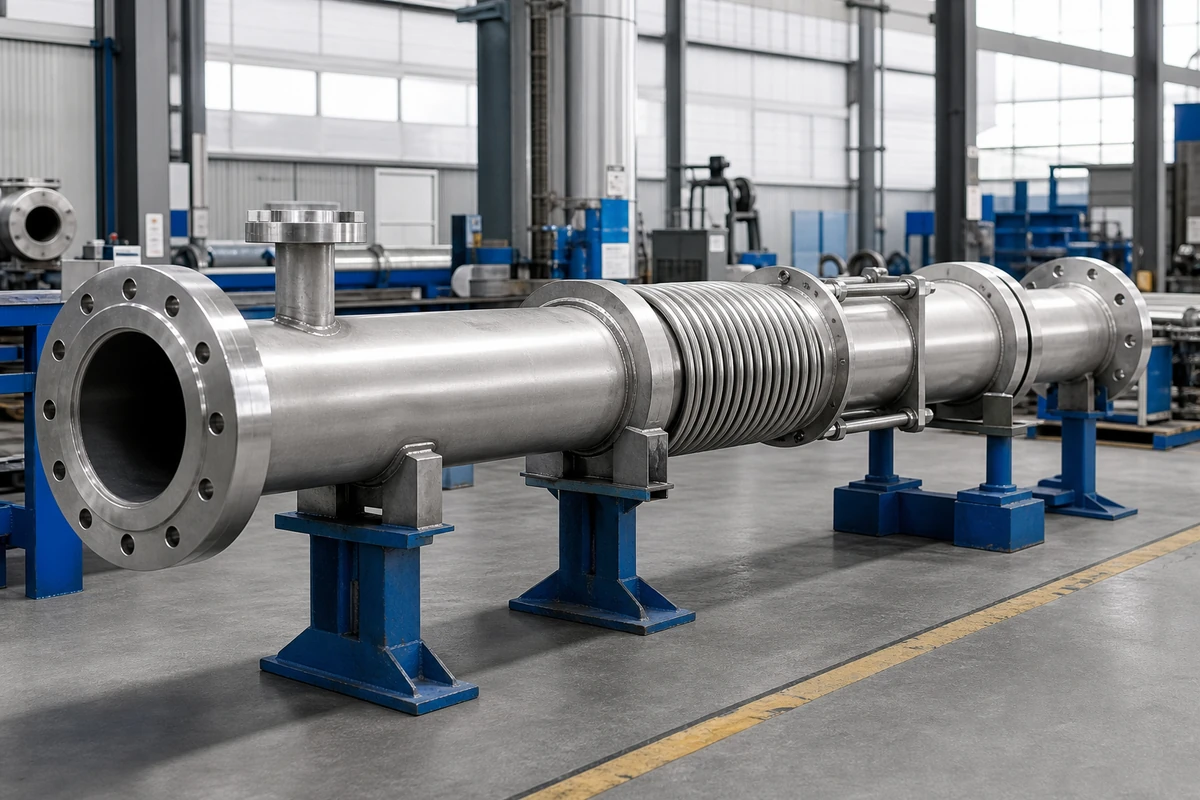
Operating Conditions
Plan petrochemical material supply around process media, operating and upset temperatures, pressure class, component geometry, fabrication and inspection.
Share the normal and upset conditions, media or atmosphere, temperature profile, pressure or load, thermal cycle, corrosion or abrasion exposure and governing code. These inputs let us compare a coherent material, product-form and fabrication route for the component.
Material Selection
Start with the atmosphere or process media, temperature profile, pressure or mechanical load, thermal cycle, corrosion or abrasion exposure, component geometry and fabrication route. Add the governing standard and project acceptance criteria, then compare the candidate grade routes with your project engineer.
Candidate Grades
Open the grade pages below to compare order designations, available product forms and the information needed for material review.
Component & Geometry
Send the component drawing or describe its function, finished dimensions, interfaces, starting-form preference and fabrication allowance. The options below can then be checked against the geometry rather than selected from the industry name alone.
Project Requirements
Use this buyer checklist to connect service inputs, components, inspection, packing and shipment requirements in one enquiry.
Scroll horizontally to review every column.
| Project area | Requirements to share |
|---|---|
| Component forms | Plate shells, pipe or tube spools, forged parts, flanges, fittings and machined items supplied to a project bill of materials. |
| Service and design inputs | Process media, operating and upset conditions, pressure classification, corrosion allowance, joining route and governing project specification. |
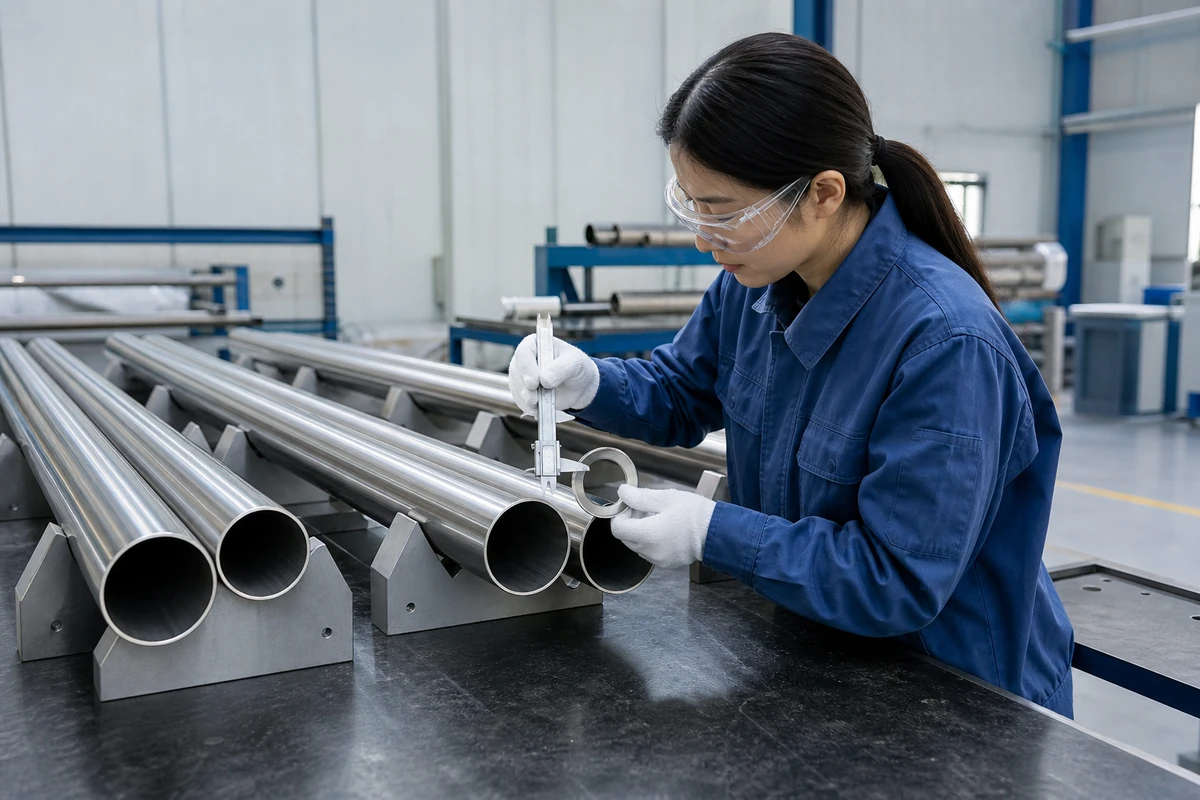
| Inspection documents | Heat-specific MTC, PMI or NDT where specified, dimensional records, pressure-project traceability and third-party hold points stated in the inspection plan. |
| Packing plan | Protected machined faces and ends, capped openings, tagged spool or line items, preserved flange faces and crate segregation by purchase-order line. |
| Shipment requirements | Confirm export marks, preservation period, lifting and centre-of-gravity details, delivery sequence and destination import requirements. |
Send the bill of materials, standards, drawing revisions, inspection plan, packing and logistics requirements so we can prepare one joined-up supply proposal.
Processing & Joining
Build the fabrication plan from the controlled drawing. Identify cut edges, forming radii, machining allowances, joint design, filler, qualified welding procedure, heat input and distortion controls. Add cleaning, passivation, surface acceptance and any pressure-related requirements to the same plan.
Inspection Options
- Material certificate type, heat traceability and marking plan.
- Dimensional, surface and drawing-feature inspection scope.
- PMI, NDT, supplementary tests or third-party inspection when specified.
- Fabrication, welding and heat-treatment records required by the project.
- Packing list, preservation, lifting and shipment release documents.
Packing & Delivery
Define part identification, surface and edge protection, supports, lifting points, moisture protection, package limits and installation sequence. Add the destination, Incoterm and requested delivery date so packing is planned for the shipment and site handover.
Related industry contexts
What to Send for a Quote
- Component drawing, bill of materials and quantity by line item.
- Service media or atmosphere, temperature profile, pressure or load and cycle.
- Grade route, product standard, dimensional standard and project specification.
- Processing, joining, tolerances, surface and acceptance requirements.
- Inspection documents, tests, third-party hold points and traceability.
- Packing, preservation, marks, destination, delivery sequence and logistics limits.